
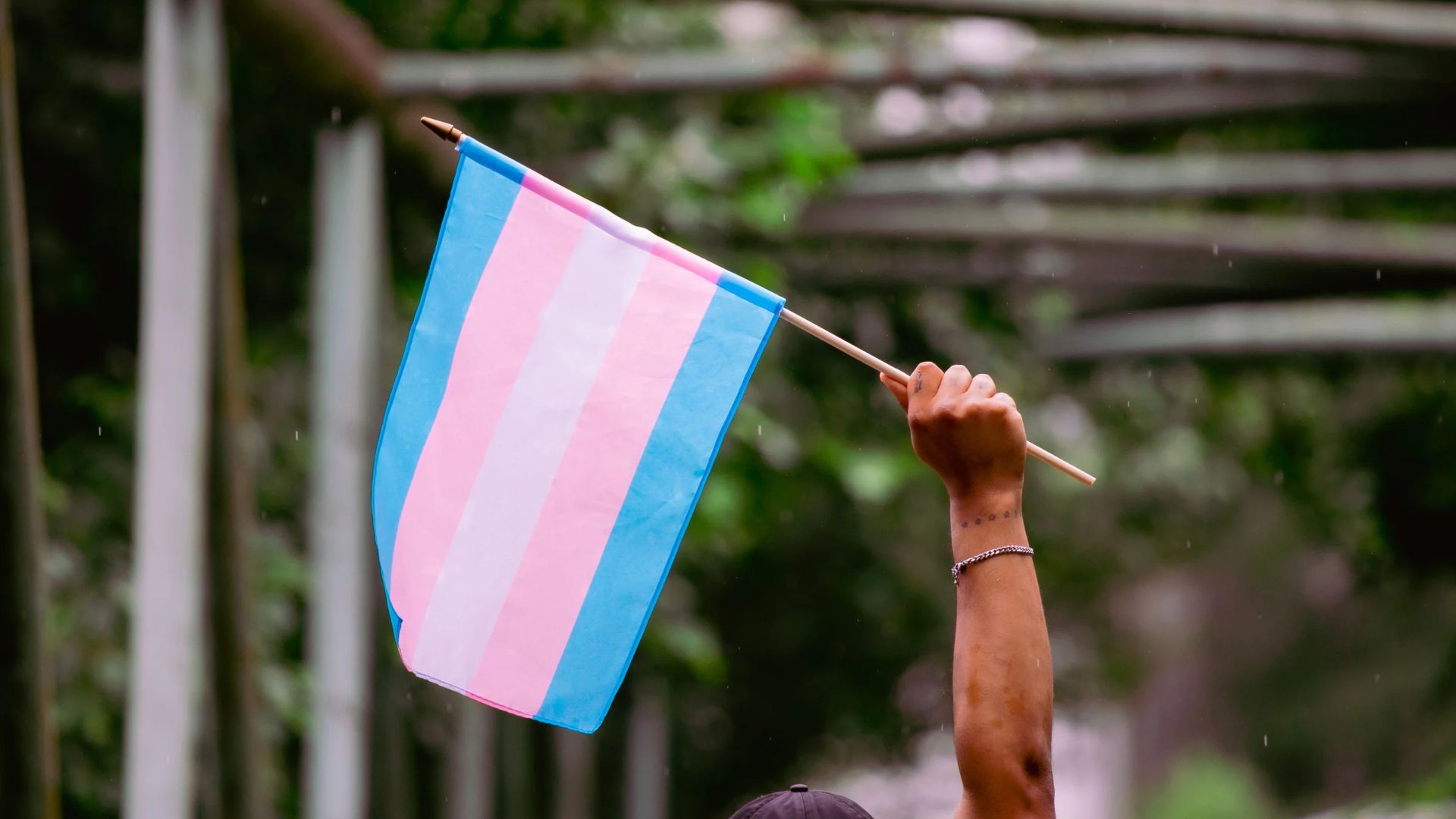
Transgender Awareness Week is an annual week from November 13 to 19 when you can learn more about transgender people and their experiences. It is about sharing information and stories, and drawing attention to discrimination. The aim is to understand each other better and know how to support someone.
November 20 is Transgender Day of Remembrance. On that day, trans people whose lives have been lost to anti-transgender violence are remembered.
What does the week mean for you, and how can you contribute? Read on for practical ideas you can use at school, at work or in your own community.
When is Transgender Awareness Week and what can you expect?
Transgender Awareness Week runs from November 13 to 19 every year, including in 2026. There is no fixed programme that is the same everywhere. People and organisations mark the week in their own ways, for example through conversations, gatherings or stories people choose to share.
Awareness is about understanding something better. Here, it mainly means understanding what being transgender means and what trans people encounter in everyday life. That can happen at a talk, but just as easily in a conversation at school or around the kitchen table.
A school might explain gender and pronouns. At work, you could discuss who someone can turn to if a hurtful comment is made. Online, you might read a personal story someone has chosen to share. These are examples of ways to take part, rather than a list of scheduled activities.
Would you like to go to an event? Check with the organiser when it takes place, whether you need to register and whether the venue is accessible for you. A local activity does not have to fall exactly within the week.
Why a week like this is useful

Transgender Awareness Week offers a moment to ask questions, learn something new and think about how you treat others. You might want to support someone and still feel unsure what to say. A little explanation can help you find your way.
Take a question such as ‘What was your name before?’ You may simply be curious, but that name is private. The same goes for questions about someone’s body or medical steps. You can show interest without asking for such personal details. Ask how someone is doing, for example, or what they are spending their time on.
There is also room for stories that are not about difficulties at all. Think about work, friends, a hobby or something a person is proud of. Listen to different people, because one story cannot tell you how all trans people experience their lives.
Gender identity and gender expression are different things
Gender identity is how you experience your own gender. Transgender means that this identity differs from the sex you were assigned at birth. Gender expression is how you express yourself, for example through clothing or a hairstyle. You cannot tell someone’s gender identity from their appearance.
Sex concerns physical sex characteristics, such as anatomy and hormones. At birth, sex is usually assigned based on visible physical characteristics. Sexual orientation is something else again: it concerns who you are attracted to. Being transgender does not tell you that.
Non-binary means that someone does not identify exclusively as a man or a woman. Some non-binary people also call themselves transgender, while others do not. Follow the words someone uses for themselves. You can read more in our explanation of what non-binary means.
You do not have to wear particular clothes, want a medical transition or use products to be trans. Non-binary people do not have to have a mix of a ‘masculine’ and ‘feminine’ appearance either. Our article about gender expression and appearance explains this further.
How do you support someone in everyday life?
You support someone by listening, using the right name and asking what feels comfortable for them. You do not need to make it a special conversation. Often, it is about how you treat each other in ordinary moments.
A few things to keep in mind:
- Use the name and pronouns someone gives you. Not sure? Ask calmly, preferably without other people listening in.
- If you accidentally use the wrong pronoun, correct yourself briefly and move on. You do not need to turn it into a long apology.
- Ask permission before sharing someone’s personal story, tagging them or posting an identifiable photo. Someone may be open with you and not yet open elsewhere.
- Look up the basics yourself if you do not understand something. A friend or colleague does not have to keep explaining what it means to be transgender, let alone their own body.
- Hear a hurtful comment and feel able to respond safely? Say something about it. Afterwards, ask the person affected whether they need anything else.
For more guidance on pronouns, you can read our article about addressing a non-binary person. At school or work, you can also agree on where someone can turn with questions or concerns about inappropriate behaviour. That makes support something people can actually use.
You choose whether to take part
You do not have to share anything or come out during Transgender Awareness Week. You might enjoy going to a gathering or talking about your experience. Simply reading, talking to someone you trust or letting the week pass is fine too.
What suits you depends on things such as your situation at home, school or work, and the people you feel comfortable with. Your energy matters too. You do not have to provide explanations for everyone just because this week is about transgender people.
Are you thinking about coming out? Our tips for coming out can help you consider who you want to talk to and what support you would like.
Some people enjoy wearing a pin or accessory to show their identity or support. That might suit you, but it does not have to. A product does not determine your identity, and support ultimately shows in how you treat someone.
What about Transgender Day of Remembrance and Transgender Day of Visibility?
The names sound similar, but they mark different occasions. Transgender Awareness Week is about understanding and awareness. Transgender Day of Remembrance on November 20 remembers people whose lives have been lost to anti-transgender violence. Transgender Day of Visibility on March 31 is about visibility and recognition of trans people.
A memorial offers room for silence and sadness. A gathering around visibility might instead focus on what people do, make and experience, and on joy. If you attend an activity, find out what it is intended for and take your lead from that.
What you do after Transgender Awareness Week makes the difference
Transgender Awareness Week matters because it makes room to understand more and discover how you can support someone. You do not have to know everything afterwards. You can, however, carry what you have learned with you and take account of what someone tells you they need.
Choose one small thing today that you can keep doing. Use the right name, read up on something you do not understand or ask what support would be welcome. An ordinary working day, a conversation with friends or a moment at school is where that attention becomes meaningful.
Would you also like to show your identity or support with something that suits you? Browse our LGBTQIA+ accessories and choose what feels right for you.
Common questions about taking part in Transgender Awareness Week
How do you find an activity near you?
Check the calendar of a local LGBTQIA+ organisation, community space or library. You can also search for ‘Transgender Awareness Week’ together with your town and the year. Read the description before you go: who is the event for, do you need to register and can you ask about accessibility beforehand?
What can a school or employer organise?
Start small, perhaps with a short discussion based on an article or a guest speaker who wants to share their experience. Let people submit questions beforehand so nobody has to share anything personal on the spot. Agree on who will lead the discussion and how to address hurtful comments. Do not automatically expect a trans student or colleague to explain everything.
How can a parent or partner support someone exploring their gender?
Listen without immediately suggesting a label or a next step. Ask what the person would like to discuss and whether they want your thoughts or mainly someone to listen. You can read information together if they would find that useful. Let them decide which words fit and who they want to share things with.